Why are trends more tempting than the more established advice?
"It's not very surprising," says clinical nutritionist Tine Sundfør. "Many of these extreme diets seem exciting. They're something new, like buying a new pair of jeans."
Advice from researchers and health authorities, on the other hand, can feel more like the old pair of jeans at the back of your closet.
Annonse
"I understand why people feel like they've been hearing the same thing for years: Eat more vegetables, eat more whole grains, eat more fish," says Sundfør.
The controversial gets more space in the media
Sundfør points to several reasons why trends spread so easily.
"Like everything else in the media, anything controversial gets a lot of attention," she says.
That's why a study claiming apples are unhealthy will get far more attention than a study confirming that soft drinks are unhealthy.
And disagreements between different experts are often exaggerated.
Sundfør also notes that people without formal authorisation as healthcare professionals can use stronger language and make bigger promises.
"As a responsible professional, you can't say things that aren't supported by research," she says.
The brain is triggered by immediate reward
Christina Gjestvang researches exercise at the Norwegian School of Sport Sciences.
She believes that the reason many prefer jumping on new fitness trends rather than following more traditional advice also has a lot to do with emotions.
"Trends are marketed with strong, emotional messages, and they very often promise quick results," says Gjestvang. "Even if it sounds too good to be true, our brain is triggered by the promise of an immediate reward."
Some trends can be problematic
If a new trend makes us feel good, it becomes easier to start exercising.
Annonse
A sense of community with others who follow the same trend can also help.
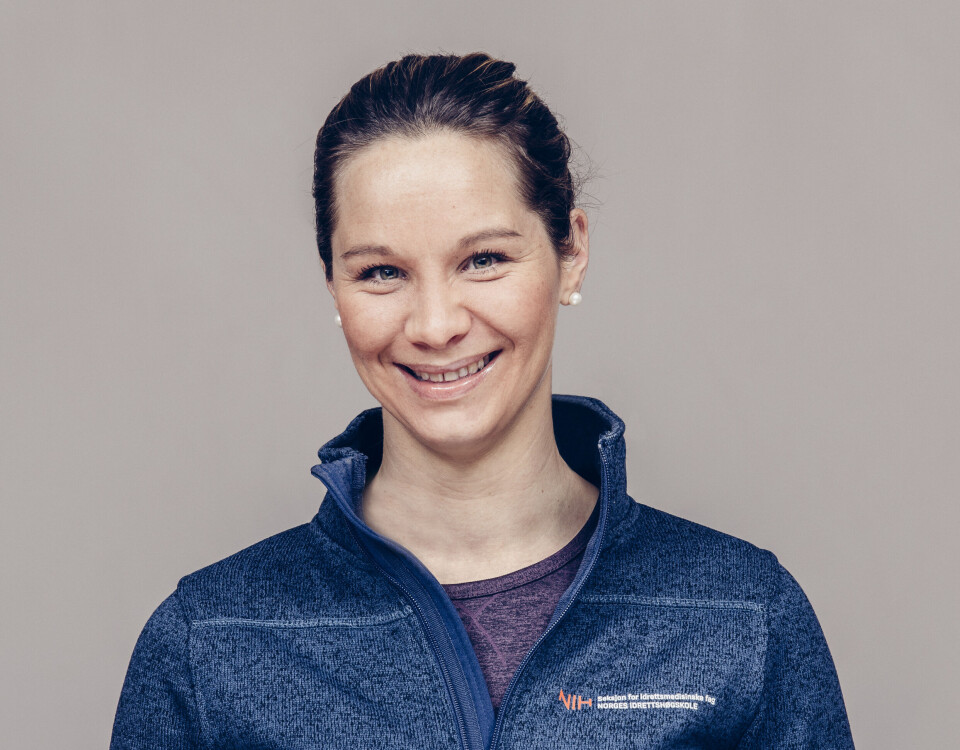
Christina Gjestvang is an associate professor at the Norwegian School of Sport Sciences.(Photo: Trine Hisdal)
That's why a new fitness trend can be a strong motivator in the beginning, according to Gjestvang.
But if it ends with us being disappointed and feeling like we've failed, it can instead lead to a vicious cycle of defeat.
"Trends that promise quick results, or that demand very high intensity, can be problematic when people who are not very active or inactive are trying to build habits for regular exercise," says Gjestvang.
"Can affect mental health"
Tine Sundfør is not sceptical of all new diet trends either.
Many of them overlap a lot with the more traditional recommendations from health authorities anyway.
But she warns against taking things too far.
"All kinds of extremism are unhealthy, whether we're talking about religion, politics, diet, exercise, or sleep," says Sundfør. "It can affect mental health."
Takes the place of religion
Sundfør also reflects on how many people today are very focused on diet and lifestyle, something she thinks may be connected to the times we live in.
"There's a lot of anxiety in today's society. So maybe people try to focus on something they can control and believe in," says Sundfør.
She believes that in many respects, diet has taken the place of religion.
"People need something to believe in. That need becomes stronger in uncertain times," she says.
The temptation becomes stronger
Sundfør also believes that researchers, healthcare professionals, and public authorities could learn something from the way trends are promoted.
"We could probably work on making the message a bit more glossy and sexy," she says.
Christina Gjestvang also thinks some exercise advice can feel hard to fit into your daily routine.
"Different training methods often come with clear recommendations for how often, how hard, and how long you need to work out to see results," she says.
And when you don't quite succeed, it's easy to lose motivation.
"That's when the temptation can be strong to try a trend that promises quick results," says Gjestvang.